上海市虹口区长阳路62号
Shanghai Jewish Refugees Museum
上海犹太难民纪念馆
A synagogue, a refuge, a shared memory
At 62 Changyang Road, photographs connect Europe and Shanghai: arrival in 1938, wartime neighbourhood life, and the changing home of the museum at the former Ohel Moshe Synagogue.
Follow its history through photographs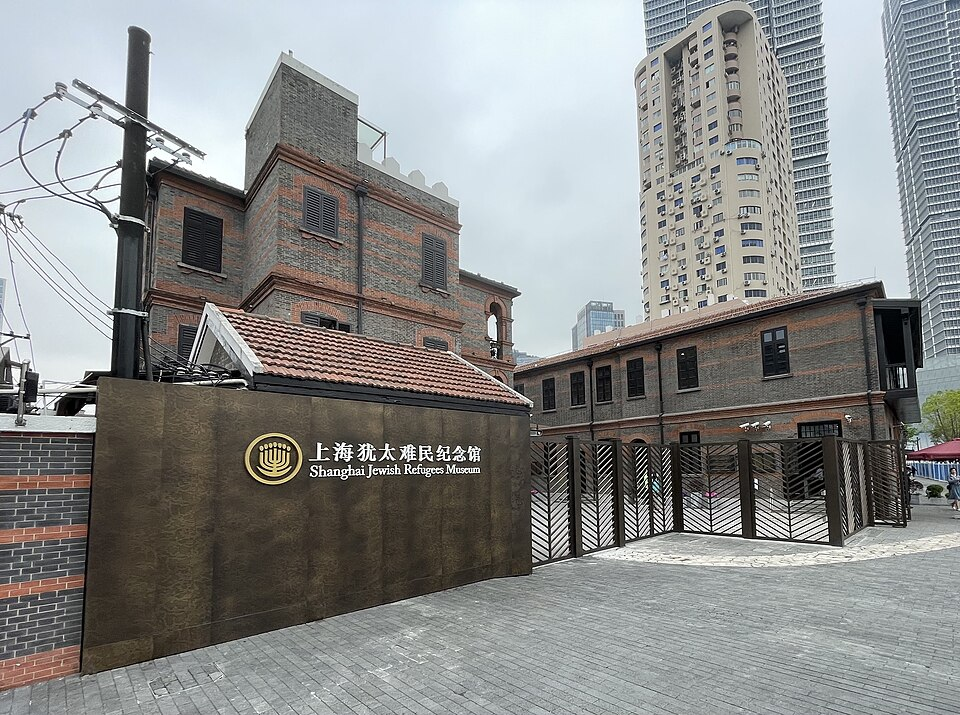
2021-04-24
The entrance and outer side of the former synagogue on 24 April 2021, after the 2020 museum expansion.
SSYoung · Image source · CC BY-SA 4.0
At a glance
- Dates
- Synagogue here: 1927; museum: 2007
- Architect
- Not securely identified
- Architecture
- Three-storey brick building with open galleries
- Original use
- Jewish communal worship
- Today
- Refugee history museum
- Address
- 上海市虹口区长阳路62号
The beginning
Why was it built here?
Around the former Ohel Moshe Synagogue, the museum follows European Jews who escaped Nazi persecution and reached Shanghai in the 1930s and 1940s. Passports, ship tickets and everyday possessions bring that journey down to the scale of a family.[1] [2]
The synagogue predates the main refugee arrivals: this address became a synagogue in 1927. Religious gatherings, relief organisations and neighbouring homes supported refugee life. In 1943 the Japanese occupation authorities imposed a designated area for stateless refugees, forcing many to move and restricting their movement. Sanctuary did not mean freedom from hardship.[5] [2]
Look up, then look closer
Three details worth a closer look
Recognise the synagogue
Brick details, three levels of open galleries and a tiled roof identify the old synagogue. This is Ohel Moshe, not Ohel Rachel on North Shaanxi Road. The sources consulted do not securely identify its architect.[6]
Read the expansion through the courtyard
The 2014 courtyard photograph places the synagogue between exhibition buildings. The 2020 expansion incorporated more surrounding historic space. Compare how the old building, courtyard and entrance relate to one another.[1]
From a name to a person
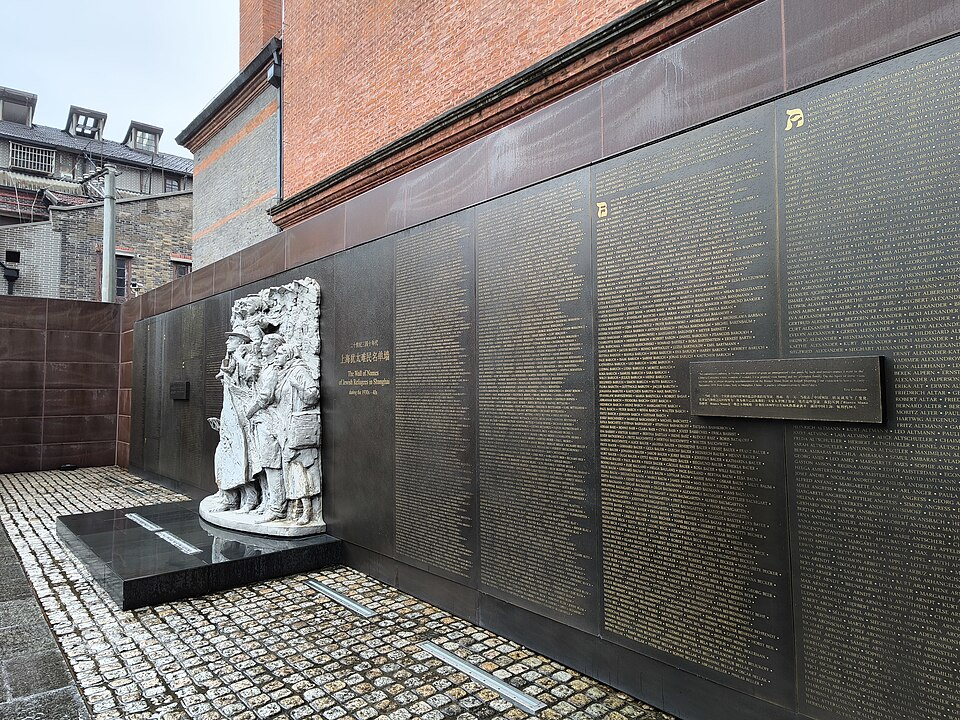
Give the names wall more than a passing glance. Connect a name with a ticket, passport or suitcase, then follow a family’s story. Oral histories and donations from descendants keep the account personal and traceable.[2]
2026-10-03
The names memorial wall and sculpture photographed on 3 October 2026. The names connect with family histories inside the museum; this is not the front elevation of the synagogue.
源義信 · Image source · CC BY 4.0
One building, changing roles
History unfolds between the photographs
Captions distinguish photographic dates from publication dates; periods without reliable images are covered in the text.
- 1927
A synagogue at this address
The Russian Jewish community established Ohel Moshe at this address, before the main influx of refugees from Europe.[5]
- 1938
Arriving from Europe
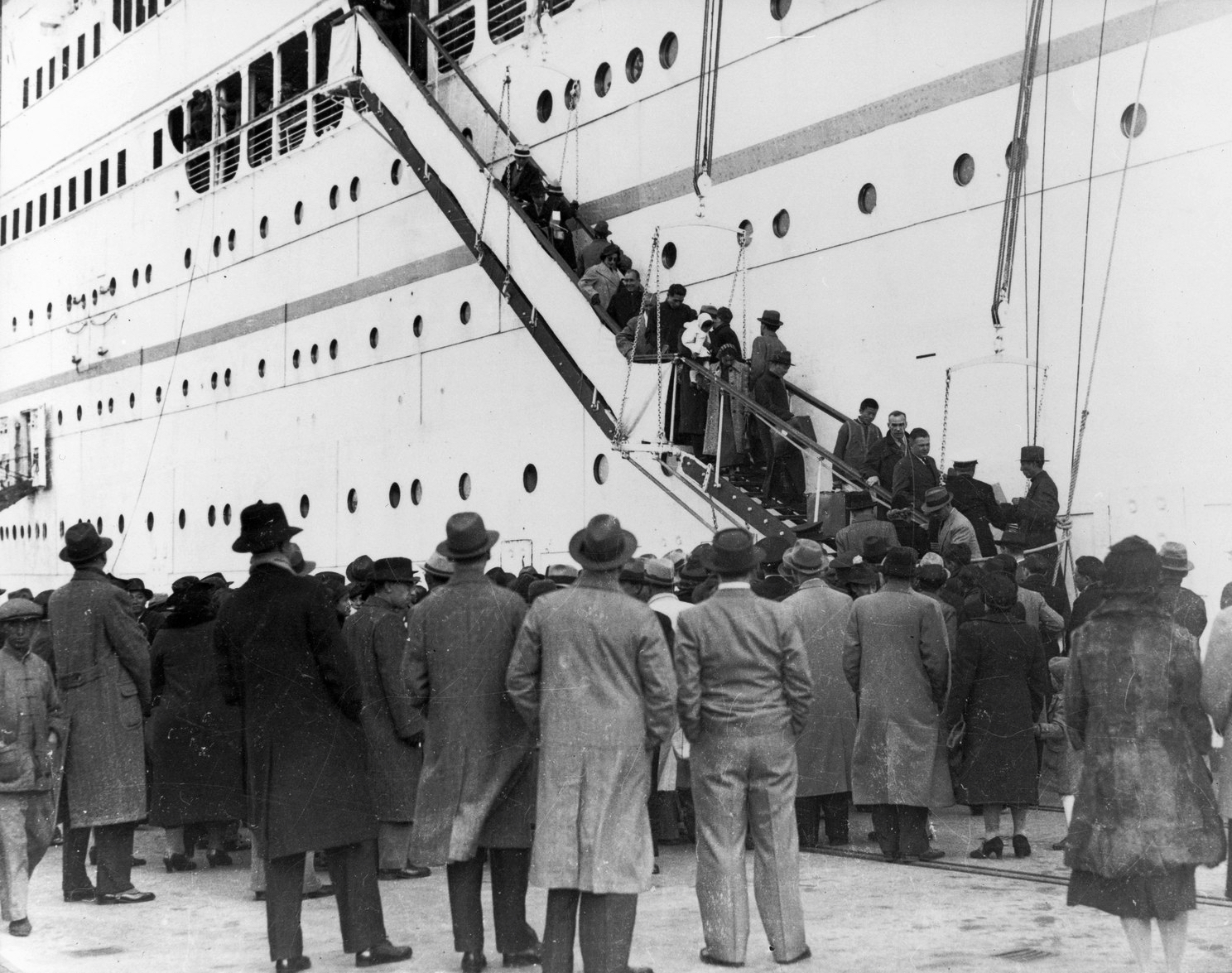
An archival photograph dated 14 December shows Austrian Jewish refugees disembarking from the Conte Verde. It records arrival in Shanghai, not the synagogue.[7]
1938-12-14
Jewish refugees from Austria disembark from the Conte Verde in Shanghai, 14 December 1938. Commons identifies USHMM record pa6465 as its source. This is an arrival photograph, not a view of the synagogue.
Photographer unidentified · Image source · Public domain · Commons
- 1943–1945
Life in the designated area
The designated area imposed in 1943 deepened hardship. A photograph of a Jewish girl and her Chinese friends preserves a moment of neighbourhood life. Its source dates it only to the wartime period before 1945, not specifically to 1943.[2]
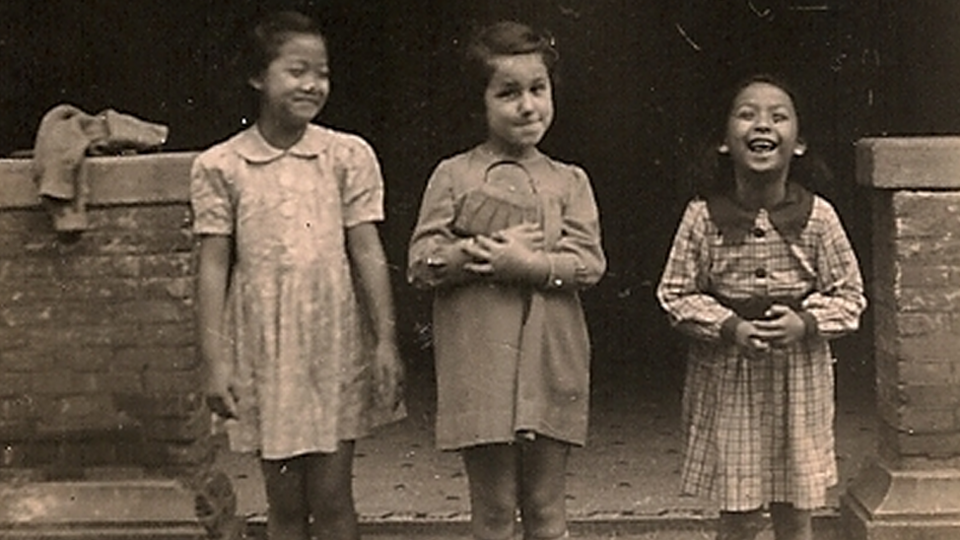
Wartime, before 1945; exact date unknown
A Jewish girl with her Chinese friends. The source identifies the Shanghai Jewish Refugees Museum collection, reproduced through The Times of Israel and Commons. The precise date and location are unknown.
Photographer unidentified · Image source · Public domain · Commons
- 1945+
Leaving, but remaining connected
After the war, many refugees left to reunite with family and rebuild their lives. Memories, return visits and donations carried their Shanghai experience across the world.[2]
- 2007
The museum opens
Hongkou established the museum around the former synagogue. The photograph below dates from 2014 and shows the courtyard before the later expansion, not opening day in 2007.[1]
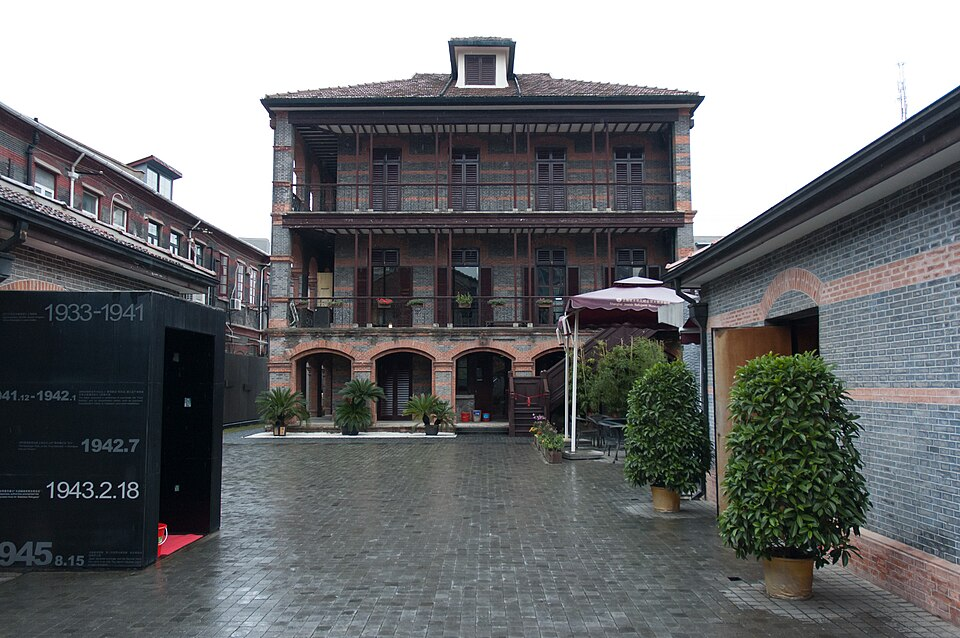
2014-11-08
The synagogue and flanking exhibition buildings seen from the courtyard on 8 November 2014. This predates the 2020 expansion; it is not a wartime photograph.
Difference engine · Image source · CC BY-SA 4.0
- 2020
A new chapter after expansion
The December expansion brought the museum to over 4,000 square metres. Six exhibition sections connect escape, daily life and postwar ties. The opening photograph was taken on 24 April 2021.[1]
- 2024
Repairing the details
Restoration reporting highlights mosaic floors, wooden stair rails, brickwork and the historic form of the Torah ark. Look at these materials as well as the outline of the building.[6]
Today and visiting
Discover the building from the street
Start with the synagogue, then follow personal stories in the galleries. Continue along Zhoushan Road, Huoshan Road and Huoshan Park to understand the surrounding neighbourhood; respect the people who still live here.[3] [1] [4]
- Address
- 上海市虹口区长阳路62号
- Getting there
- Metro Line 12, Tilanqiao, Exit 1
- Opening hours
- Tue–Sun 09:00–17:00, last entry 16:00; closed Mondays. Check holiday notices.
- Tickets and photography
- The official site lists adult admission at RMB 20; check current booking and concessions. Some areas prohibit photography; no flash, selfie sticks or tripods.
Sources checked: 2026-11-06 · Hours, prices and temporary closures follow current museum notices.
Shanghai and the world
From Europe to descendants around the world
The Sassoon and Hardoon stories reveal earlier Jewish participation in Shanghai’s growth. This museum adds refugees and ordinary families. Read these strands together to see distinct circumstances rather than reducing Shanghai’s Jewish history to wealthy merchants.[1] [2]
Text and image sources
This account is based on the sources below. Unverified details are identified as such. Where photographs are included, sources and licences are listed beneath each image.
- Museum: introduction ↗
- Museum: permanent exhibition ↗
- Museum: visitor and photography guidance ↗
- Museum: opening hours and admission ↗
- Hongkou: synagogue and museum ↗
- Synagogue restoration report, 2024 ↗
- USHMM: arrival photograph, 1938 ↗
Image handling and dating
Images come from the archives or image source pages listed beneath each photograph. We resize and compress them to WebP, preserving their original proportions without colourisation or added detail. Grain, blur and scanning marks in historical photographs are retained.
Historical photographs document refugee lives, not earlier views of the synagogue. Each image retains its own date rather than inheriting a timeline event’s year.